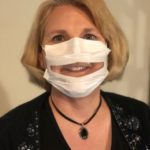
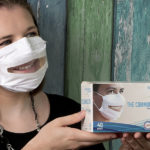
A clear mask for dentist practice keeps the barrier protection required for oral procedures while leaving the practitioner’s mouth and facial expression visible to the patient in the chair. Dental teams spend appointments close to a patient’s face, often explaining a procedure or offering reassurance moments before a drill starts, and a standard opaque mask hides exactly the cues that put a nervous patient at ease. Choosing a clear mask for dentist and hygienist use addresses infection control and chairside communication in a single piece of PPE.
Safe’N’Clear, Inc. supplies FDA cleared dental face masks through The Communicator™ Procedural Face Mask, built with a transparent window and available in ASTM Level 1 and ASTM Level 3 to match the filtration a given dental procedure requires. Practices searching for a dentist face mask that supports both infection control and visible communication get both in a single product, without switching vendors or compromising on either priority. The full Safe’N’Clear healthcare PPE line covers both filtration levels alongside supporting accessories for a dental practice.
What Makes Dental Settings Different from Other Clinical PPE Needs
Dental procedures generate aerosols and spatter at close range, from ultrasonic scalers to high-speed handpieces, and the CDC’s guidance on PPE in dental settings calls for a surgical mask covering the nose and mouth during any procedure likely to produce splashing or spray. That guidance applies regardless of mask style, so a clear mask for dentist use still needs to meet the same ASTM filtration and fluid-resistance standards as a standard opaque procedural mask.
What changes in dentistry is proximity and duration. A dental hygienist may spend 45 minutes to an hour with a single patient at close range, longer than many other clinical encounters, and that extended face-to-face time makes visible facial expression more valuable throughout the appointment rather than only at the start. Dentists and oral surgeons work even closer to a patient’s airway during procedures, often inches from the mouth for sustained stretches, which puts fluid resistance and fit at the center of any PPE decision alongside communication.
Hygienists in particular move between patients throughout the day, changing masks between each appointment per CDC guidance, which means the mask a practice chooses gets tested for comfort and breathability across dozens of donning and removal cycles per week. A dental face mask that fogs eyewear, feels warm, or fits poorly becomes a daily friction point at that pace, on top of whatever communication tradeoff an opaque design already creates.
Patient Anxiety and the Case for Visible Communication
Dental anxiety affects a substantial share of adult patients, and much of that anxiety centers on losing a sense of control once a procedure begins. A masked provider who cannot be seen smiling, explaining, or reassuring removes one of the simplest tools a dental team has for managing that anxiety in the moment. A dental face mask with a clear window keeps the practitioner’s expression visible through explanation, numbing, and treatment, giving anxious patients a consistent visual anchor rather than a blank barrier.
Pediatric dentistry carries a similar dynamic. Young patients rely heavily on facial cues to judge whether a moment is safe, and a transparent mask lets a pediatric dentist maintain the warm, readable expression that keeps a child cooperative during treatment.
ASTM Level Ratings for Dental PPE
Dental practices do not need a single filtration level across every procedure. Routine cleanings and exams typically call for Level 1 protection, while procedures involving more aerosol or spray, such as oral surgery, extractions, or restorative work with a high-speed handpiece, call for Level 3. Safe’N’Clear offers The Communicator™ Mask in both ASTM Level 1 and ASTM Level 3, so a practice can stock the appropriate rating by procedure type while keeping the clear window design consistent across every operatory.
Reviewing the ASTM F2100 standard directly helps practice managers confirm that a vendor’s Level 1 and Level 3 claims meet the filtration, fluid-resistance, and breathability testing the specification requires. Case pricing that automatically applies at checkout removes a common friction point for practices comparing vendors, since the discount does not require a separate account setup or minimum order negotiation.
Communication Access Requirements in Dental Practice
Dental offices serve patients who are Deaf or hard of hearing, patients with limited English proficiency, and patients who rely on lip reading to follow instructions about home care, medication, or post-procedure recovery. Standard masks remove that visual information at the exact moments patients most need clear instructions. Safe’N’Clear designs The Communicator™ Mask to support ADA effective communication in dental settings where masking is required, giving practices a way to meet communication-access expectations without setting aside infection-control standards.
A visible mouth changes what a dental appointment feels like for a patient who reads lips or relies on facial cues, from following instructions about home care to picking up on reassurance through expression rather than muffled speech alone. A dental practice employing Deaf or hard-of-hearing staff benefits from the same visible-communication design on both sides of the mask, supporting staff-to-staff communication during procedures alongside patient interactions.
Documentation and Coding Considerations
Dental practices billing for enhanced infection-control supplies or communication accommodations should understand how CDT codes apply to PPE like clear window masks. A closer look at how CDT codes intersect with clear mask use walks through documentation practices that support both patient care records and appropriate billing.
Outfitting a Dental Practice with Clear Masks
Practices ready to switch a team to a clear mask for dentist and hygienist use can order ASTM Level 1 and ASTM Level 3 cases separately based on procedure mix. Case orders qualify for automatic savings, 10 percent off ASTM Level 1 cases and 11 percent off ASTM Level 3 cases, which helps a multi-chair practice standardize PPE without straining a supply budget. The Safe’N’Clear purchase guide walks buyers through selecting the right level for each procedure type and completing an order.
Frequently Asked Questions About Clear Masks for Dental Practices
Can dental hygienists wear clear masks during cleanings? Yes. A clear window mask rated ASTM Level 1 meets the filtration and fluid-resistance standard appropriate for routine cleanings and exams, the same standard a Level 1 opaque mask would need to meet.
Do clear dental masks meet the same ASTM standards as regular surgical masks? Yes. A clear window mask carries the same F2100 material testing as a standard procedural mask, covering bacterial filtration, particle filtration, fluid resistance, and breathability, with the transparent panel adding a communication benefit rather than changing the filtration requirement.
What ASTM level should a dental practice stock for oral surgery? Procedures involving higher aerosol or fluid exposure, including oral surgery and extractions, call for ASTM Level 3 protection, while routine exams and cleanings are typically covered by ASTM Level 1.
A Clearer Chairside Experience
Choosing a clear mask for dentist and hygienist use gives a dental practice a way to meet ASTM filtration standards and support patient communication without treating the two as separate purchasing decisions. The Communicator™ Mask brings FDA cleared, ADA effective protection to routine cleanings, restorative work, and oral surgery alike, all while keeping a practitioner’s face visible to the patient in the chair. Visit the Safe’N’Clear purchase guide to outfit your practice with the right level for every procedure.