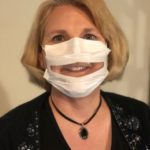
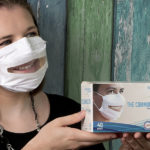
Knowing what to expect at the dentist makes a routine visit easier, and a provider in a clear mask changes one part of that visit for the better: you can see the face of the person talking to you. A typical checkup includes questions about your health history, a cleaning by a dental hygienist, and an exam by the dentist. Throughout those steps, a clear-window surgical mask keeps the provider’s mouth and expressions visible, which helps patients who lipread, patients who are Deaf or hard of hearing, and anyone who feels calmer seeing a reassuring face. This guide walks through a visit step by step and explains how to ask for the communication support you need.
Key Takeaways
- A routine visit usually includes health history questions, a hygienist cleaning, and a dentist exam, and the exam should be pain-free.
- A clear-window mask lets you see your provider’s mouth and expressions during instructions, questions, and results.
- Dental offices are public accommodations under the ADA and must provide communication aids when needed for effective communication, at no extra charge.
- Tell the office about your communication needs when you book, not when you arrive.
What to Expect at the Dentist, Step by Step
Check-In and Health History
When you arrive, the office may ask about your oral health, medical history, and medications. Delta Dental’s guide to what happens at a dental exam recommends answering honestly and accurately so the dentist can identify issues and their causes. If you lipread, ask the front desk to face you and keep their mouth visible, or to give you the forms and questions in writing.
The Cleaning
Exams are often paired with cleanings, and a dental hygienist usually cleans your teeth before or after the dentist’s exam. The hygienist may explain each step and ask you to turn your head, open wider, or rinse. With a standard opaque mask, those instructions are hard to follow for anyone who relies on lip movement. With a clear-window mask, you can watch the hygienist’s mouth as the instructions are given.
The Exam
Using small instruments and a mirror, the dentist checks for tooth decay, gum disease, oral cancer, and other issues, along with tooth alignment and signs of habits such as grinding. According to Delta Dental, the exam should be pain-free, though gum tenderness or other conditions can cause some sensitivity. Let the dentist know before the exam how you will signal a question or discomfort, such as raising a hand, since talking is difficult with instruments in your mouth.
Results and Next Steps
After the exam, you either schedule your next regular visit or discuss treatment if the dentist found a problem. This conversation matters most, because treatment options, costs, and home care instructions are easy to miss. Ask the dentist to face you, and ask for written instructions or a printed treatment plan to take home.
Why a Clear Mask Matters in the Dental Chair
A standard surgical mask covers the mouth and much of the face, which removes lipreading and most facial expression from every exchange in the chair. For patients who are Deaf or hard of hearing, that changes what to expect at the dentist, because instructions during the cleaning can be missed and results misunderstood. Masks also hide the reassuring expressions that help nervous patients, a topic Safe’N’Clear covers in a guide on dental hygienists and patient anxiety.
Safe’N’Clear, Inc., the maker of The Communicator™ clear-window surgical mask, supplies dental offices with an FDA cleared and ADA effective mask with a clear, anti-fog window, available in ASTM Level 1 and ASTM Level 3. For patients who need to see a face to follow along, The Communicator™ solves the problem that opaque masks create, without changing the protection standard the office relies on. Safe’N’Clear explains what that clearance means in a guide to FDA cleared masks for dental practices, and why providers make the switch in why dentists and dental hygienists need a clear mask.
Your Communication Rights at the Dental Office
Under Title III of the Americans with Disabilities Act (ADA), the professional office of a health care provider, including a dental office, is a public accommodation. In a U.S. Department of Justice letter on physicians’ obligations, the Department explains that health care offices must furnish appropriate auxiliary aids and services when needed for effective communication. A notepad may be enough for a simple exchange, but lengthy or complex information may call for an interpreter. Interpreters are generally not needed for routine visits, though a routine visit can still require one if written notes do not work.
The same guidance states that when an aid is necessary, the office absorbs the cost and may not add a surcharge for the aid. Offices are strongly encouraged to consult with the patient about which aid will work, though the patient does not decide unilaterally. The Department describes this letter as informal guidance rather than a binding legal interpretation.
Tips for a Smooth Dental Visit
Part of knowing what to expect at the dentist is planning communication before the visit, because most problems can be solved at booking. Use the steps below when you schedule.
- Tell the office how you communicate when you schedule, such as speechreading, written notes, or an ASL interpreter.
- Ask whether the hygienist and dentist can wear clear-window masks during your visit.
- Agree on a hand signal for questions or discomfort before instruments go in.
- Ask for results, instructions, and any treatment plan in writing.
Front-desk staff play a large role in how these requests are handled. Safe’N’Clear’s guide to communicating with Deaf patients at the front desk shows dental and medical offices how to plan ahead for patients who are Deaf or hard of hearing.
Making Every Dental Visit Easier to Follow
Knowing what to expect at the dentist, and asking for the communication support you need, turns a routine checkup into a visit you can follow from check-in to results. If your dental office does not yet use clear-window masks, share this guide with them. Dental offices ready to make the switch can find The Communicator™ ASTM Level 1 and ASTM Level 3 masks in the Safe’N’Clear shop, where ordering by the case saves 10% on Level 1 and 11% on Level 3.