Home » Supplier Diversity: How Safe’N’Clear’s Disability-Owned and Woman-Owned Status Supports Procurement Goals
Supplier Diversity: How Safe’N’Clear’s Disability-Owned and Woman-Owned Status Supports Procurement Goals
Supplier diversity is the practice of intentionally buying from businesses owned by people from underrepresented groups, such as people with disabilities, women, and veterans. For hospitals, school districts, and agencies with supplier diversity goals, each qualifying purchase counts toward those goals while filling a real operational need. Safe’N’Clear, Inc., the maker of The Communicator™ clear-window surgical mask, is a Disability-Owned Business Enterprise certified by Disability:IN and a woman-owned small business. This guide explains what each credential means, how buyers can verify supplier status, and where Safe’N’Clear fits in a supplier diversity plan.
Key Takeaways
A Disability-Owned Business Enterprise (DOBE) is a for-profit business at least 51% owned, operated, managed, and controlled by one or more people with disabilities, certified by the third-party organization Disability:IN.
Woman-owned status supports corporate supplier diversity goals, but federal Women-Owned Small Business (WOSB) set-asides require SBA certification.
Safe’N’Clear, Inc. is a deaf-owned, woman-owned company founded in 2012 and a certified DOBE.
Buyers can confirm federal vendor registration through SAM.gov using Safe’N’Clear’s CAGE code and SAM ID.
What Supplier Diversity Means for Healthcare and Education Buyers
A supplier diversity program sets goals for purchasing from certified diverse businesses and tracks spending against those goals. Corporations, health systems, universities, and government agencies run these programs for reasons that can include community investment, supply chain resilience, and contract requirements. The program works only when suppliers hold credentials a buyer can verify, which is why third-party certification matters more than a self-description on a website.
What Disability-Owned Business Enterprise Certification Means
Disability:IN is a nonprofit organization focused on disability inclusion in business and provides third-party certification for disability-owned businesses. According to Disability:IN’s DOBE certification page, a DOBE must be at least 51% owned, operated, managed, and controlled by one or more people with disabilities, must operate as a for-profit business, and must be headquartered in the country where the business applies. Certification is valid for three years, and Disability:IN reports more than 1,000 certified DOBEs across more than 50 countries.
Disability:IN certifies Safe’N’Clear as a DOBE. Dr. Anne McIntosh, Safe’N’Clear’s founder and president, is deaf, and The Communicator™ grew out of her own experience of being unable to lipread masked medical providers. In 2022, Disability:IN named Safe’N’Clear the winner of the Disability:IN Ally Award at the Beyond Accommodations summit in Atlanta on October 6, 2022, citing the company’s commitment to disability inclusion.
Woman-Owned Small Business Status and Federal Contracting
Woman-owned status works differently in corporate and federal purchasing. Many corporate and institutional supplier diversity programs count spending with woman-owned businesses toward internal goals. Federal contracting follows stricter rules. The U.S. Small Business Administration explains on the agency’s business certifications page that the Women-Owned Small Business (WOSB) Federal Contract program limits competition for certain federal contracts in industries where women-owned firms are underrepresented, and that WOSB certification benefits apply only to federal contracting, not to private-sector purchasing.
To be eligible, a business must be small under SBA size standards, at least 51% owned and controlled by women who are U.S. citizens, and managed day to day by women who also make long-term decisions. Firms must certify through SBA’s online certification system before competing for WOSB set-aside contracts. The federal government sets a goal of awarding 5% of federal prime contracting dollars to women-owned small businesses. Federal contracting officers who need WOSB status for a specific set-aside should confirm current certification in SBA’s Small Business Search, because program rules have changed in 2026 and continue to evolve.
Procurement Credentials Buyers Can Verify
Federal and institutional buyers can reference Safe’N’Clear’s registration details in purchasing systems. The table below lists the identifiers Safe’N’Clear publishes for procurement teams.
Credential
Safe’N’Clear detail
Where to verify
Disability-Owned Business Enterprise (DOBE)
Certified by Disability:IN
Request the current certificate from Safe’N’Clear
Ownership
Deaf-owned and woman-owned, founded 2012
Supplier documentation on request
CAGE code
8CSN7
SAM.gov
SAM ID
GB9MKC7BKBA8
SAM.gov
UNSPSC product code
42131713
Product classification for purchasing systems
Government healthcare facilities, Veterans Affairs medical centers, and federally qualified health centers that buy through government channels can use these identifiers when placing orders. Safe’N’Clear’s guide to bulk purchasing clear window masks covers case pricing and ordering for institutional buyers.
Why Safe’N’Clear Fits a Supplier Diversity Plan
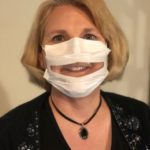
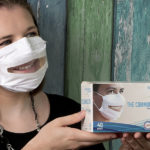
Supplier diversity spending works best when the purchase also solves an operational problem. The Communicator™ Procedural Face Mask is an FDA cleared and ADA effective surgical mask with a clear, anti-fog window, available in ASTM Level 1 and ASTM Level 3. The clear window keeps the wearer’s mouth visible, which supports patients, students, and coworkers who are Deaf or hard of hearing or who rely on lipreading and facial expression. For procurement teams, Safe’N’Clear is a direct solution to two needs at once: communication-accessible PPE and spending with a certified disability-owned supplier.
The Communicator™ is 100 percent sourced and manufactured in the United States by Safe’N’Clear, Inc., based in Davidson, North Carolina. Safe’N’Clear notes that domestic production spares customers the delays that can come with overseas shipping. Ordering by the case saves 10% on ASTM Level 1 and 11% on ASTM Level 3 masks.
How to Add Safe’N’Clear to Your Supplier Diversity Program
Start by confirming which credentials your program counts. If your goals track disability-owned spending, request Safe’N’Clear’s current Disability:IN DOBE certificate and record the expiration date, since certification runs on a three-year cycle. If you need federal WOSB status for a set-aside, confirm current SBA certification before award. Then verify registration in SAM.gov using the CAGE code and SAM ID, and set up the UNSPSC code in your purchasing system so spending is categorized correctly.