As of October 1, 2026, the Centers for Disease Control and Prevention (CDC) reported 3,887 confirmed measles cases in the United States, with cases reported across 47 jurisdictions. The 2026 measles outbreak count already exceeds the 2,289 cases CDC confirmed for all of 2025. For families, healthcare, schools, businesses, and communities, the message is simple: preparation matters.
Measles Deserves Our Attention
Measles is a highly contagious respiratory illness that can cause fever, cough, runny nose, conjunctivitis (red, watery eyes), and a distinctive rash. According to a CDC clinical fact sheet, the rash usually appears two to four days after the first symptoms and lasts five to six days. People infected with measles can spread the virus for four days before the rash appears, often before they realize they are sick, and for four days after the rash begins.
Vaccination Remains the Primary Protection
The MMR vaccine, which protects against measles, mumps, and rubella, was developed by Dr. Maurice Hilleman at Merck and licensed in the United States in 1971. The MMR vaccine remains the primary protection against measles, and CDC states that community immunization is the most important measure to prevent measles transmission in all settings. Individuals and families should talk with their healthcare provider about vaccination and whether they are up to date with recommended immunizations.
Vaccination is not the only part of infection prevention. When measles is circulating, we need to think about what happens when someone who may have measles walks through the doors of a healthcare facility, school, workplace, or other shared indoor environment. A plan made before that moment protects patients, staff, and visitors far better than a plan made during the moment.
Measles Can Spread Through the Air
Measles is airborne and can remain infectious in the air for up to two hours after an infected person has been in the area. That two-hour window means a waiting room, exam room, or classroom can expose people who never saw the sick person. CDC guidance for measles in healthcare settings recommends Airborne Precautions for patients with known or suspected measles, including prompt placement in an airborne infection isolation room. An airborne infection isolation room is a specially ventilated room that exhausts air to the outside or passes the air through HEPA filters before the air returns to other spaces.
Respiratory Protection for Healthcare Personnel
Healthcare personnel entering the room or care area of a patient with known or suspected measles should use respiratory protection at least as protective as a fit-tested, NIOSH-certified disposable N95 filtering facepiece respirator. CDC applies that recommendation regardless of whether the staff member has evidence of measles immunity. CDC also states that respirator use must take place within a complete respiratory protection program under the Occupational Safety and Health Administration (OSHA) Respiratory Protection Standard, 29 CFR 1910.134, which includes medical clearance, fit testing, and training.
Respiratory protection is an important part of preparedness. For healthcare, preparedness means having appropriate respirators available before an exposure occurs, not scrambling to find them afterward. Patients play a role as well. CDC recommends giving people with measles symptoms a face mask to wear and separating them from other patients as soon as possible after they arrive.
Protection and Communication Can Coexist
Another consideration that often gets overlooked when respiratory protection is discussed is accessibility to communication. Many people rely on facial expressions, lipreading, speechreading, or other visual information during conversations. Opaque masks can make communication significantly more difficult because the listener loses nonverbal cues, which can lead to misinterpretations and a lack of mutual understanding. During a possible measles exposure, a misunderstood instruction about where to wait or when to keep a mask on carries real consequences.
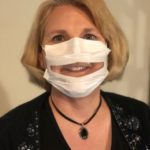
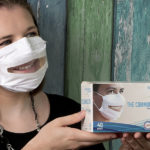
Fortunately, healthcare and dental care do not have to choose between respiratory protection and accessibility. Clear-window masks and respirators can provide an option for situations where seeing the face is important to communication, while organizations continue following appropriate infection-control and respiratory-protection requirements. Safe‘N’Clear offers The Communicator™ procedural face mask with an anti-fog clear window in FDA cleared ASTM Level 1 and ASTM Level 3 versions. A surgical face mask is not a substitute for an N95 respirator when CDC calls for Airborne Precautions, so each product needs to match the task.
How to Prepare for the 2026 Measles Outbreak
A practical preparedness plan includes steps for individuals and steps for organizations. The first four items below apply to everyone, and the last four apply to healthcare and dental organizations that may receive patients with measles symptoms:
- Check vaccination status with a healthcare provider.
- Know the symptoms of measles.
- Avoid exposing others if you are sick.
- Follow public health guidance during an outbreak.
- Review airborne infection-control procedures.
- Have appropriate respiratory protection available.
- Consider communication accessibility when selecting PPE.
- Train staff on how to use required respirators properly.
Each item on the list supports the others. A trained team with respirators on the shelf can isolate a patient quickly, and a team with clear-window masks on hand can explain isolation instructions to a patient who relies on lipreading. If you are sick and think you may have measles, call ahead before visiting a clinic, which matches CDC guidance that facilities give people with symptoms instructions on which entrance to use and what precautions to take. For more on reducing risk in patient-facing settings, read about managing measles risk factors with clear-window masks.
Protection Works Best When You Plan Ahead
Measles preparedness is not about panic. Measles preparedness is about being ready. At Safe‘N’Clear, respiratory protection incorporates the human side of communication. Our clear-window products are designed to help reduce communication barriers in environments where masks are necessary. Safe‘N’Clear, Inc. is a Woman Owned Small Business and Disability Owned Business that supplies FDA cleared, ADA effective clear-window face masks for healthcare, dental care, and everyday use.
Learn more about Safe‘N’Clear respiratory protection and clear communication solutions before the next exposure reaches your community. Browse the Safe‘N’Clear clear-window product line or contact the Safe‘N’Clear team to plan clear-window PPE for your facility during the 2026 measles outbreak.