A caregiver wearing a standard mask around someone with age-related hearing loss faces a communication challenge that goes well beyond a typical masked conversation. Home health aides, personal care attendants, and family members providing daily care often spend more sustained time with a hearing-impaired care recipient than any clinician does, making the cumulative effect of masked communication far larger over the course of a day or a caregiving relationship. Understanding how mask use interacts with hearing loss helps caregivers avoid the frustration, isolation, and missed instructions that muffled, half-hidden speech can cause.
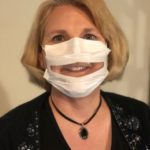
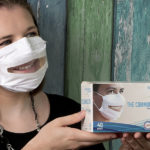
Safe’N’Clear, Inc. supplies FDA cleared clear masks through The Communicator™ Procedural Face Mask, giving caregivers a way to protect against illness transmission without losing the visible communication many care recipients depend on.
How Common Is Age-Related Hearing Loss?
Age-related hearing loss, also called presbycusis, affects a substantial share of older adults. The National Institute on Deafness and Other Communication Disorders reports that roughly 15 percent of American adults report some trouble hearing, with about one in three people between ages 65 and 74 experiencing hearing loss, a proportion that rises to nearly half of adults older than 75. For a caregiver supporting an older adult, hearing loss is more often the norm than the exception rather than a rare complication to plan around only occasionally.
Many care recipients have not been formally diagnosed or fitted for hearing aids, since hearing loss develops gradually and people frequently adjust their behavior around the change for years before seeking evaluation. A caregiver may be the first person to notice signs of hearing difficulty, well before a formal diagnosis exists.
Why Caregivers Face a Unique Communication Challenge
Clinical encounters are typically brief, while caregiving relationships often involve daily or near-daily contact over months or years. That extended timeline means small communication frictions compound in a way a single doctor’s appointment does not. A care recipient who struggles to follow a masked caregiver’s instructions about medication timing, meal preparation, or a change in daily routine faces that difficulty repeatedly, not just once.
Many caregiving interactions also happen in home settings without the acoustic design considerations of a clinical exam room, meaning background noise from a television, kitchen appliances, or household activity can compound the effect an opaque mask already has on speech clarity. A caregiver managing multiple responsibilities during a visit, from medication administration to meal prep to personal care tasks, may also be talking while facing away from the care recipient, adding another barrier on top of the mask itself.
Family caregivers in particular often assume a hearing-related communication gap is simply part of a loved one’s personality or aging in general, rather than recognizing a specific, addressable barrier that mask use is making worse. A daughter or son providing care for an aging parent may not think to change communication habits during illness season when masking increases, even though that is exactly the period when the compounding effect of hearing loss and an opaque mask becomes most noticeable.
Signs a Care Recipient May Be Struggling to Understand
A care recipient asking for frequent repetition, responding to questions with answers that do not match what was asked, or appearing to withdraw from conversation may be struggling to hear rather than showing disinterest or cognitive decline. Turning up television or radio volume significantly higher than a caregiver finds comfortable is another common sign. Some care recipients compensate by nodding or agreeing without actually understanding what was said, a pattern that can mask a communication gap until a missed medication dose or a misunderstood instruction reveals the problem.
The National Institute on Aging’s guidance on hearing loss in older adults notes that hearing aids and other assistive devices can meaningfully help once hearing loss is identified, which is part of why a caregiver noticing these signs early matters. A caregiver who recognizes a pattern of missed understanding can encourage a hearing evaluation well before the gap grows large enough to affect medication safety or daily routines.
Practical Communication Strategies for Caregivers Using Masks
Facing a care recipient directly and at eye level before speaking gives them the best chance to pick up visual cues alongside whatever they can hear. Speaking in a clear, normal tone rather than shouting helps, since raised volume can distort speech sounds and make understanding harder rather than easier. Reducing background noise before starting an important conversation, such as turning off a television, gives a care recipient with hearing loss a meaningfully better chance of following what is said. Confirming understanding by asking the care recipient to repeat back key information, particularly medication instructions, catches misunderstandings before they become a real problem.
A closer look at communicating with elderly patients covers additional techniques relevant to clinical settings, complementing the caregiving-specific guidance here for home health aides and family caregivers managing daily, ongoing care.
When a Clear Mask Makes the Biggest Difference
Medication administration moments carry real stakes, since a misunderstood dosage or timing instruction can have direct health consequences. A clear window mask keeps a caregiver’s face visible during exactly these higher-stakes conversations, giving a hearing-impaired care recipient the visual channel their hearing alone may not fully provide. Caregivers supporting a care recipient with both hearing loss and cognitive changes, such as those covered in supporting quality of life for dementia patients, face a compounded communication challenge where visible facial expression matters even more.
Choosing the Right Mask for Caregiving
Most caregiving encounters, from daily check-ins to medication administration to personal care tasks, carry low splash and spray risk, making ASTM Level 1 an appropriate filtration level for the large majority of home caregiving situations. The full Safe’N’Clear healthcare PPE line covers additional filtration levels for caregivers who also work in clinical settings with higher exposure risk.
Frequently Asked Questions About Masks and Hearing Loss for Caregivers
How common is hearing loss among older adults receiving care? Very common. Roughly one in three adults between 65 and 74 has hearing loss, rising to nearly half of adults over 75, meaning most caregivers of older adults will encounter hearing loss at some point in the caregiving relationship.
What are signs a care recipient may not be hearing a masked caregiver clearly? Frequent requests for repetition, answers that do not match the question asked, turning up media volume significantly, and nodding along without clear understanding can all signal a hearing-related communication gap.
What ASTM level is appropriate for home caregiving? ASTM Level 1 covers most home caregiving situations, including medication administration and personal care tasks, since these encounters typically carry low splash and spray risk.
Supporting Clear Communication in Every Caregiving Relationship
Understanding how mask use and hearing loss interact gives caregivers a real tool for reducing the frustration and miscommunication that can otherwise build up over a long caregiving relationship. The Communicator™ Mask brings FDA cleared, ADA effective protection to home health visits, personal care, and family caregiving alike. Visit the Safe’N’Clear purchase guide to keep communication clear for every care recipient you support.