Learning how to read lips starts with watching the shapes the mouth makes for different sounds, then using facial expression, gesture, and context to fill in what the lips cannot show. Lipreading is a skill that improves with practice and, for many people, with a class. No one reads lips perfectly, because several sounds look identical on the mouth and some make no visible movement at all. This guide covers how lipreading works, how to practice, what speakers can do to help, and why masks that hide the mouth make lipreading so much harder.
Key Takeaways
Lipreading means understanding speech by watching a speaker’s mouth, face, and gestures, and the skill takes practice and sometimes formal training. Sounds such as P, B, and M look the same on the lips, so context does much of the work. Lighting, a clear line of sight, and a speaker who faces you make a large difference. Masks that hide the mouth remove the signal entirely, and a 2017 study found that listeners with hearing loss understood more speech in noise when the talker wore a transparent surgical mask.
What Is Lipreading?
Lipreading is a communication technique in which a person who does not have full access to sound closely watches the mouth of a speaker to understand speech, according to the University of Kentucky Human Development Institute, which also describes lipreading as a skill that requires practice and sometimes formal training. The UK charity RNID defines lipreading as the ability to recognize the lip shapes, gestures, and facial movements of a speaker. RNID adds that everyone lipreads a little without realizing, especially in noisy places, and that becoming a good lipreader takes skill, concentration, and a great deal of practice.
Why Learning How to Read Lips Is Harder Than Movies Suggest
Lipreading is harder than film and television portray because the mouth shows only part of speech. Homophenes are sounds that look identical on the lips even though they sound different, such as P, B, and M, according to the University of California, San Francisco EARS program. Try saying bat, mat, and pat in a mirror, and the lips make the same movement each time. RNID gives a similar example, noting that biscuits and big kiss look almost alike.
Some sounds are invisible. The UCSF EARS guide explains that sounds formed at the back of the mouth, such as K, G, and a hard C, and sounds formed in the throat, such as H, produce no visible lip movement. The same guide notes that a speaker who is easy to lipread can become difficult after turning the head, moving into poor lighting, or speaking quickly. Ability also varies widely, with some people reaching 60 percent accuracy or more without training while others stay below 10 percent even with training, so progress looks different for everyone. Read more in the UCSF EARS guide to lipreading basics.
How to Read Lips: Practice That Builds the Skill
Practice works best when the practice targets the specific challenges above. The approaches below come from hearing health organizations and university programs, and most can start at home.
Practice in a Mirror
Watching your own mouth teaches you what each sound looks like. Say pairs and groups of words that share mouth shapes, such as bat, mat, and pat, and then words that differ, so you learn which differences are visible and which are not. Mirror practice also shows how much of speech happens out of sight.
Watch the Whole Face and Use Context
Good lipreaders watch more than lips. RNID’s definition includes gestures and facial movements, and RNID notes in a Lipreading Awareness Week article that context is key because many words look similar. Knowing the topic of a conversation narrows the possible words, which is why lipreading a stranger on an unknown subject is so much harder than lipreading a family member at dinner.
Take a Lipreading Class
A class gives structured practice and feedback. RNID describes lipreading classes as informal and friendly, with a teacher demonstrating the shapes different sounds make on the lips and covering other communication tactics that support lipreading. The UCSF EARS guide reports that research on lipreading training shows modest but real benefits, so a class is worth the time even though no class produces perfect accuracy. Find out more on the RNID lipreading page.
Combine Lipreading With Hearing Technology
Lipreading works best as one tool among several. The UCSF EARS guide describes hearing aids and lipreading as working together, because sound and sight each fill gaps the other leaves. People who use hearing aids or cochlear implants often find that a visible mouth turns a hard listening situation into a manageable one.
How Speakers Can Help Someone Who Lipreads
Speakers control most of the conditions that make lipreading possible. RNID advises asking the speaker to face the light and to sit or stand at the same level, and the charity notes that turning away or talking from another room makes lipreading impossible. The Student Academy of Audiology, part of the American Academy of Audiology, reminds clinicians that comprehension increases when the listener can see the speaker’s face, that shouting or exaggerated slow speech does not help, and that rephrasing works better than repeating. Safe’N’Clear’s best practices for communicating with deaf and hard-of-hearing people cover these habits in more detail.
Masks and Lipreading
A standard mask removes the visual signal lipreaders depend on. In a 2017 study published in the Journal of the American Academy of Audiology, 31 adults listened to speech in background noise while a talker wore a conventional surgical mask or a transparent surgical mask. Listeners with moderate and severe-to-profound hearing loss understood more speech with the transparent mask, and the transparent mask did not reduce performance for listeners with normal hearing. Schools face the same problem, as Safe’N’Clear’s article on lipreading and mask use in schools explains.
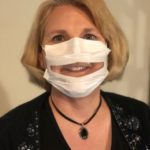
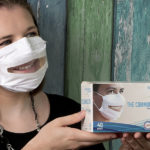
Where masks are required, a clear window keeps lipreading possible. Safe’N’Clear, Inc. supplies The Communicator™, an FDA-cleared, ADA-effective surgical face mask with a fog-resistant clear window in ASTM Level 1 and ASTM Level 3, built for people who need to see the speaker’s mouth. Safe’N’Clear has also profiled lipreading mom blogger Shanna Groves, whose story shows how much daily life depends on seeing faces.
Frequently Asked Questions
Can anyone learn to read lips?
Most people can improve their lipreading, but results vary widely. The UCSF EARS program reports that some people lipread well without training while others struggle even with training, and that research shows modest but real benefits from lipreading training. Classes, mirror practice, and combining lipreading with hearing aids or cochlear implants give most learners the best chance of progress.
Why is lipreading so tiring?
Lipreading takes intense concentration because the lipreader watches constantly and fills gaps from context in real time. The UCSF EARS guide describes lipreading as requiring intense cognitive effort, and RNID notes that becoming a good lipreader requires skill and concentration. Short breaks, good lighting, and speakers who face the lipreader reduce the strain during long conversations.
Do clear masks help people who lipread?
Clear window masks help people who lipread because the mouth stays visible. A 2017 study in the Journal of the American Academy of Audiology found that listeners with hearing loss understood more speech in noise when the talker wore a transparent surgical mask instead of a conventional one. In healthcare settings, choose a clear window mask that carries the ASTM level the task requires.
Conclusion: Practice, Context, and a Visible Mouth
Learning how to read lips takes steady practice, an understanding of which sounds look alike, and attention to the whole face and the context of the conversation. Speakers help by facing the light, staying in view, and rephrasing when needed. When masks are part of the setting, shop The Communicator™ clear window surgical masks so the people who lipread around you can still see every word. A related Safe’N’Clear post, Wearing a Face Mask With Hearing Aids or Cochlear Implants, covers a connected topic.