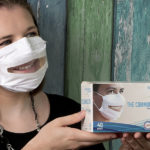
Switching an entire dental practice to clear window masks works best as a planned, practice-wide procurement decision rather than a gradual, chair-by-chair replacement. A multi-operatory practice has different mask needs across hygiene rooms, exam rooms, and oral surgery, and outfitting the whole practice at once keeps filtration consistent with procedure risk while giving every provider and patient the same communication benefit. This guide walks through how to plan that procurement, from mapping ASTM levels by role to calculating order volume for a full practice.
Safe’N’Clear, Inc. supplies FDA cleared clear window masks through The Communicator™ Procedural Face Mask, available in ASTM Level 1 and ASTM Level 3, giving a dental practice a single vendor for every filtration level the practice needs. The full Safe’N’Clear healthcare PPE line covers both levels for practices planning a full procurement.
Why Practice-Wide Procurement Beats Piecemeal Ordering
Ordering clear masks for one hygienist or one operatory at a time creates an inconsistent patient experience, where some appointments include visible communication and others do not, depending on which provider happens to be assigned. A practice-wide switch avoids that inconsistency and gives every patient the same communication access regardless of which chair or provider they see. Planning procurement at the practice level also simplifies staff training, since every clinical team member learns one set of masks and one set of ASTM level guidelines rather than managing multiple mask brands or styles across different roles.
The American Dental Association’s infection control guidance recommends that every dental practice designate an infection prevention coordinator responsible for ensuring staff have the equipment and supplies needed to meet infection-control standards. A practice-wide mask procurement plan fits naturally into that coordinator role, giving one person ownership of ordering, stocking, and staff training rather than leaving mask selection to individual providers.
Mapping ASTM Levels to Every Operatory and Role
Hygiene rooms handling routine cleanings and exams typically carry low splash and spray risk, making ASTM Level 1 the appropriate default for hygienists and general dentists performing non-surgical work. Operatories used for restorative work involving a high-speed handpiece, extractions, or other procedures with meaningful spray exposure call for ASTM Level 3. Oral surgery suites should standardize on Level 3 without exception, given the consistent spatter risk those procedures carry.
Front desk and non-clinical staff who interact with patients but do not perform procedures can typically use Level 1 as well, prioritizing the communication benefit for patient-facing conversations about scheduling, billing, and treatment plans. Mapping each role and space to a specific ASTM level before placing an order prevents both under-protection in higher-risk areas and unnecessary spending on Level 3 masks in low-risk spaces that do not need that filtration.
Calculating Order Volume for a Multi-Chair Practice
A practical starting point is estimating daily mask usage per operatory, accounting for a fresh mask between each patient, then multiplying by the number of operatories and the practice’s typical days of operation per month. A four-operatory practice seeing a steady patient flow across hygiene and general dentistry can expect meaningfully higher Level 1 volume than Level 3, while a practice with a dedicated oral surgery suite needs a proportionally larger Level 3 order relative to its lower procedure volume in that specific space.
A practice manager working through this calculation for the first time can start with the prior month’s patient volume by procedure type as a baseline, since most practice management software already tracks appointment counts by provider and procedure category. Cross-referencing that data against the ASTM level map for each room gives a reasonably accurate starting order, one that can be refined after the first full ordering cycle once actual usage patterns confirm or adjust the initial estimate.
Building in a buffer above calculated daily usage protects against a supply gap if patient volume runs higher than average in a given month, without requiring a mid-cycle emergency order. Seasonal factors also matter: practices in regions with higher illness volume during fall and winter months may see increased mask usage across both filtration levels, and building that seasonal buffer into an annual order plan avoids a scramble during the exact months when supply chains for PPE tend to tighten industry-wide.
Understanding Case Pricing and Savings
Ordering by the case rather than by the box reduces per-mask cost and cuts down on how often a practice manager needs to reorder. Case orders qualify for automatic savings of 10 percent off ASTM Level 1 cases and 11 percent off ASTM Level 3 cases, savings that compound meaningfully when outfitting several operatories at once rather than ordering smaller quantities for individual providers over time. A practice calculating its full-practice order in advance can take advantage of that case pricing across the entire initial procurement rather than piecing together smaller orders as needs arise.
Documentation and Staff Training
Rolling out a practice-wide mask change works best paired with brief staff training covering which ASTM level applies to which room or procedure, along with the communication rationale behind the switch. The CDC’s guidance on PPE in dental settings reinforces that mask selection should match anticipated procedure risk, giving a practice a clear, citable standard to reference when documenting the new mask policy for staff and for infection-control records.
Practices billing for enhanced communication or infection-control measures should also review how CDT codes apply to clear mask use as part of the same documentation rollout, since coordinating procurement, staff training, and billing documentation together avoids gaps that surface later when a practice tries to reconstruct why a policy changed or how staff communicated the change to patients.
Frequently Asked Questions About Outfitting a Dental Practice with Clear Masks
Should every operatory in a dental practice use the same ASTM level? No. Hygiene rooms and general exam rooms typically use Level 1, while oral surgery and procedures involving spray from a handpiece call for Level 3. Mapping each space to the appropriate level before ordering avoids both under-protection and unnecessary cost.
How much can a practice save by ordering clear masks by the case? Case orders qualify for automatic savings of 10 percent off ASTM Level 1 cases and 11 percent off ASTM Level 3 cases, savings that add up across a full-practice procurement.
Who should manage mask procurement for a dental practice? Many practices assign this responsibility to an infection prevention coordinator, who tracks stock levels, orders by case, and trains staff on which ASTM level applies to each room or procedure.
Equipping Your Entire Practice at Once
Outfitting a dental practice with FDA cleared clear window masks works best as a single, planned procurement rather than a gradual replacement, giving every patient the same communication benefit and every provider the appropriate filtration level for their role. The Communicator™ Mask brings FDA cleared, ADA effective protection to hygiene rooms, exam rooms, and oral surgery suites alike. Visit the Safe’N’Clear purchase guide to plan your full-practice order today.