Wearing a face mask with hearing aids or a cochlear implant processor takes a little planning, because ear-loop masks compete for the same space behind the ear. The most common problem is losing a device when the mask comes off, and the most common fix is moving the mask strap off the ear. Masks also hide the speaker’s mouth, which makes listening harder for anyone who relies on lipreading. This guide covers practical ways to wear both comfortably, how to avoid losing a device, and how clear window masks help with the communication side of the problem.
Key Takeaways
Elastic ear loops can catch on behind-the-ear hearing aids and cochlear implant processors, and audiologists report patients losing devices during mask removal. Removing the mask slowly and checking your ears afterward prevents most losses. Headbands or hats with buttons, mask extenders, ponytails, and tie-style masks keep straps away from devices. A hearing aid program tuned for masked speech, a remote microphone, and clear window masks on the people around you all help with understanding.
Why Face Masks and Hearing Aids Get Tangled
A behind-the-ear hearing aid is a device that sits on top of and behind the outer ear, with tubing or a wire that carries sound to a speaker in the ear canal. AARP explains that the elastic bands commonly placed over the ears to secure a mask can get in the way of that tubing, and that removing the mask creates a chance of losing the hearing aid. Cochlear implant processors that sit on the ear face the same risk. An audiologist quoted by Consumer Reports said many patients had lost hearing aids because of mask removal.
How to Remove a Mask Without Losing a Hearing Aid
Slow, deliberate removal prevents most losses. An Illinois audiologist quoted by AARP recommends treating mask removal like taking off glasses or a hat and always checking that the hearing aids or cochlear implant processor are still in place afterward. AARP also notes that clips are available to attach hearing aids to clothing, which gives a dropped device somewhere to land. Read the full AARP guidance on face masks and hearing aids.
A lost device is expensive, so a backup plan helps. Consumer Reports suggests asking your audiologist about hearing aid insurance and checking whether a homeowners or renters policy can add coverage for lost hearing aids. Keeping a small device case in a pocket also gives removed hearing aids a safe place.
Ways to Keep Mask Straps Off Your Ears
Moving the strap away from the ear removes the problem entirely. Consumer Reports lists several approaches, including wearing a headband or hat with buttons that hold the mask loops, pulling the loops around a ponytail or bun, choosing a mask with ties, or buying an elastic strap that connects the loops behind the head. AARP adds a low-cost option from an audiologist: connect the mask strings at the back of the head with a large paperclip. See the Consumer Reports tips on face masks and hearing loss for more ideas.
Each option has tradeoffs. Tie-style masks keep the ears free but take longer to put on, while extenders and buttoned headbands work with the ear-loop masks most workplaces stock. Testing two or three methods at home before a long day out helps you find the one that stays comfortable.
Hearing Better While Others Wear Masks
Keeping devices secure is half the problem, and following conversations is the other half. Consumer Reports notes that an audiologist can create a mask program that tunes a hearing aid for masked speech, and that a remote microphone, worn by the person speaking, can help in social situations. Facing the speaker and asking people to move to a quieter spot also make a difference. Safe’N’Clear’s article for caregivers on masks and hearing loss covers more strategies for families.
Choosing a Face Mask With Hearing Aids in Mind
The best mask choice depends on what you do in the mask and who needs to understand you. Tie-style masks keep the area behind the ear clear, which suits long outings and frequent removal. Ear-loop masks are the most common style in many clinics and workplaces, so pairing them with an extender or buttoned headband is often the practical choice. If you work in healthcare, the mask also needs the ASTM level your task requires, and a clear window mask lets patients and coworkers see your mouth while you stay protected. 6 Best Practices for Communicating with Deaf and Hard of Hearing covers the broader topic in more depth.
Comfort deserves a test run. Wear the mask and your devices together for an hour at home, remove the mask a few times the way you would at work, and check that nothing shifts. Small adjustments made at home prevent the lost device that tends to happen in a hurry.
Why Visible Lips Still Matter
Hearing aids and cochlear implants do not restore all the information a hidden mouth removes. In a 2017 study in the Journal of the American Academy of Audiology, listeners with moderate and severe-to-profound hearing loss understood more speech in background noise when the talker wore a transparent surgical mask instead of a conventional one. The benefit comes from the speaker’s mask, not the listener’s, so asking clinicians, coworkers, and family to wear clear window masks helps the most.
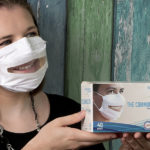
Safe’N’Clear, Inc. supplies The Communicator™, an FDA-cleared, ADA-effective surgical face mask with a fog-resistant clear window in ASTM Level 1 and ASTM Level 3, designed so people with hearing loss can see the speaker’s mouth. Safe’N’Clear’s own marketplace listing describes The Communicator™ as an ear-loop mask with an adjustable nosepiece, so device users who wear one themselves should use the strap and removal tips above. Safe’N’Clear’s article on comfort and clarity innovations in mask design and the tips for protecting your hearing round out the picture.
Conclusion: Secure Your Devices and Keep Faces Visible
Wearing a face mask with hearing aids or a cochlear implant gets easier with three habits: move straps off your ears, remove masks slowly and check your devices, and ask the people around you to keep their mouths visible. Your audiologist can also tune your devices for masked speech. To help the clinicians, coworkers, and family members around you stay understandable, shop The Communicator™ clear window masks in ASTM Level 1 or ASTM Level 3.