Dental anxiety affects the large majority of patients a hygienist sees, and a masked face removes one of the simplest tools available for putting a nervous patient at ease. A nationally representative study published in the Journal of the American Dental Association found that nearly 73 percent of US adults report some fear of visiting the dentist, with over a quarter describing that fear as severe. For a dental hygienist, that statistic means most chairs filled each day carry some level of patient anxiety, making every available tool for reducing that anxiety worth using, including the mask worn throughout the appointment.
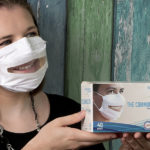
Safe’N’Clear, Inc. supplies FDA cleared clear masks through The Communicator™ Procedural Face Mask, giving dental hygienists a way to maintain infection-control standards without covering the facial expression many anxious patients rely on for reassurance. The full Safe’N’Clear healthcare PPE line covers the filtration levels a dental practice typically needs.
How Common Is Dental Anxiety?
The JADA study on dental fear in US adults found that 72.6 percent of respondents reported some fear of dental visits, with 45.8 percent describing moderate fear and 26.8 percent describing severe fear. This was the first nationally representative study of its kind, and the scale of the finding confirms what many hygienists already observe in daily practice: dental anxiety is closer to a default patient experience than an occasional exception.
That level of prevalence means a hygienist’s approach to anxiety management affects nearly every patient interaction, not just the small number of patients who mention feeling nervous before an appointment begins. Many anxious patients do not verbalize their anxiety at all, making visible cues like facial expression and body language a hygienist’s primary window into how a patient is actually experiencing the appointment.
Why Facial Visibility Matters During Dental Procedures
A patient lying back in a dental chair, often unable to speak once a procedure begins, depends heavily on nonverbal cues to gauge what is happening and whether everything is proceeding normally. A hygienist’s calm expression, a reassuring glance, or a small smile between steps of a cleaning all communicate safety in a way words cannot once a patient’s mouth is occupied. An opaque mask removes every one of those cues at precisely the moment a patient has the fewest other ways to seek reassurance, since they cannot ask a clarifying question with instruments in their mouth the way they could during a regular conversation.
This dynamic matters even more for patients managing dental phobia specifically, as opposed to milder anxiety. A phobic patient often enters an appointment already scanning for signs of danger or discomfort, and a hidden face removes the primary source of reassurance that could otherwise interrupt that heightened alert state. Patients with a documented history of panic responses during dental care frequently describe needing to see a provider’s face throughout treatment as a coping strategy, one that a standard opaque mask makes impossible regardless of how skilled or gentle the hygienist actually is.
Facial visibility also supports the ongoing narration many hygienists already use, explaining each step before starting to reduce surprise and build predictability. That narration works better when paired with a visible expression that confirms the tone of what is being said, rather than a muffled voice from behind a covered face that a patient must interpret with less information than usual.
Procedures That Cause the Most Anxiety
Research on dental anxiety consistently identifies certain procedures as higher-anxiety than others. A peer-reviewed survey study found that oral surgery and restorative treatments generated the most anxiety among the procedures studied, with oral surgery cited by well over half of anxious respondents as their primary source of dental fear. Routine cleanings performed by a hygienist typically carry lower anxiety than surgical or restorative work, but even a routine cleaning can trigger significant anxiety in a patient with a documented dental phobia or a history of negative dental experiences.
Understanding which procedures carry the highest anxiety helps a practice prioritize where visible communication matters most, without assuming that only surgical procedures deserve this level of attention. A patient anxious enough to avoid dental care altogether may need the same reassurance during a routine cleaning that a less anxious patient only needs during a more invasive procedure.
The same research found that avoidance behavior correlated strongly with anxiety severity, meaning the patients who would benefit most from visible, reassuring communication are often the same patients least likely to show up for regular care in the first place. A practice that builds a reputation for anxiety-conscious care, including visible communication throughout every appointment, has a real opportunity to bring anxious patients back into regular preventive care rather than losing them to avoidance until a minor issue becomes a painful emergency.
How Hygienists Can Build Trust with Clear Masks
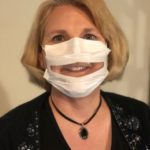
A clear window mask lets a hygienist maintain the visual connection that anxiety-reduction techniques already depend on, from the reassuring expression during an injection to the calm narration accompanying each step of a cleaning. Hygienists like Aimee Dhillon, a Deaf dental hygienist featured by Safe’N’Clear, bring firsthand understanding of how much visible communication shapes a patient’s chairside experience, informing an approach to patient care that values facial visibility as a core part of the appointment rather than an afterthought.
Choosing the Right Mask for Anxiety-Sensitive Appointments
Most hygiene appointments, including cleanings and routine exams, carry low splash and spray risk, making ASTM Level 1 an appropriate filtration level for the majority of hygienist-led visits. Practices should still document mask use alongside patient care notes, since a closer look at how CDT codes apply to clear mask use covers how communication-focused PPE choices intersect with billing and documentation practices.
Frequently Asked Questions About Dental Anxiety and Clear Masks
How common is dental anxiety among adult patients? Very common. A nationally representative study found that nearly 73 percent of US adults report some fear of dental visits, with over a quarter describing that fear as severe.
Which dental procedures cause the most patient anxiety? Research identifies oral surgery and restorative treatments as the procedures generating the most anxiety, though even routine cleanings can trigger significant anxiety in patients with a dental phobia.
Can a clear mask actually help reduce patient anxiety during appointments? A clear mask keeps a hygienist’s facial expression visible, restoring a nonverbal reassurance channel that an opaque mask removes at exactly the moments a patient has fewer other ways to seek comfort.
Changing the Appointment Experience One Patient at a Time
Dental anxiety affects most of the patients a hygienist sees, and a visible, expressive face is one of the simplest tools available for making an anxious patient’s appointment feel safer. The Communicator™ Mask brings FDA cleared, ADA effective protection to every hygiene appointment without asking hygienists to give up the facial visibility their patients depend on. Visit the Safe’N’Clear purchase guide to bring clear communication to every chair in your practice.