Clear N95 respirators are effective when they carry a NIOSH approval and are worn correctly. A clear N95 mask, sometimes called a transparent N95 mask, is a filtering facepiece respirator with a transparent window over the mouth, and the window does not change the standard the respirator must meet. NIOSH approval requires the respirator to let through no more than 5 percent of the test particles NIOSH uses, the same requirement every N95 faces. Approval is only half of effectiveness, though. Fit, a seal check at every use, and a workplace respiratory protection program determine whether any N95, clear or opaque, protects the person wearing the respirator.
Key Takeaways
- A clear N95 mask must meet the same NIOSH approval requirements as any other N95, including the 5 percent maximum particle penetration test.
- Effectiveness depends on approval, fit, and correct use, so a clear N95 needs fit testing and a user seal check every time staff put one on.
- NIOSH approves N95 respirators, while FDA regulates surgical masks. Surgical N95 respirators fall under both agencies.
- The clear window adds what opaque N95s remove: a visible mouth and facial expressions for patients and colleagues who rely on visual communication.
What Makes Clear N95 Respirators Effective
The National Institute for Occupational Safety and Health (NIOSH) approves respirators only after the products pass strict quality assurance and performance requirements. During approval testing, NIOSH uses a near worst-case particle size, the size best able to pass through filter media, and an N95 must not allow more than 5 percent of those particles through. Every approved respirator carries a testing and certification (TC) approval number that can be checked on the NIOSH Certified Equipment List, as the NIOSH guide to identifying approved respirators explains.
A transparent window does not earn a respirator any exemption. A clear N95 mask either meets the full NIOSH requirement and receives an approval number, or the product is not an N95. Healthcare buyers should confirm the TC approval number on the facepiece against the Certified Equipment List before stocking any clear respirator, exactly as they would for an opaque model.
Why Fit Matters as Much as Filtration
An N95 works by sealing to the face so that inhaled air passes through the filter instead of leaking around the edges. NIOSH guidance states that an approved respirator works as expected only when the respirator is properly maintained, worn and used correctly, and fits properly. Filtration without fit leaves gaps, which is why the same rules apply to clear N95 respirators and standard models.
Fit Testing and User Seal Checks
When a workplace requires respirators, OSHA’s respiratory protection standard requires a written program that includes medical evaluation, fit testing, and training. Fit testing confirms that a specific model and size seal to a specific worker’s face. A user seal check is a quick positive or negative pressure test the wearer performs every time the respirator goes on. NIOSH notes that a seal check does not replace a fit test, and NIOSH research found that performing a seal check improved fit results for 10 of 11 test subjects. Manufacturers include seal check instructions with NIOSH-approved respirators, so staff should follow the instructions for the exact model in use.
Who an N95 Will Not Fit
FDA guidance states that N95 respirators are not designed for children or for people with facial hair, because a proper seal cannot be achieved. FDA also advises people with chronic respiratory, cardiac, or other conditions that make breathing difficult to check with a health care provider before wearing an N95. These limits apply to clear N95 respirators the same way they apply to opaque models.
NIOSH Approval vs FDA Clearance for Clear N95 Respirators
Buyers often search for an FDA approval on a clear N95 mask, but N95 approval comes from NIOSH, not FDA. According to the FDA overview of N95 respirators and surgical masks, FDA regulates surgical masks under 21 CFR 878.4040, while NIOSH regulates N95 respirators. Surgical N95 respirators, the N95s intended for healthcare procedures that protect both patient and wearer from fluids and particles, are regulated by both FDA and NIOSH.
The distinction matters for purchasing. A surgical mask such as The Communicator™ ASTM Level 1 or ASTM Level 3 mask is FDA cleared and offers fluid resistance, but FDA notes that a surgical mask is loose fitting and does not filter or block very small airborne particles. An N95 provides respiratory protection through filtration and a face seal. Safe’N’Clear explains the surgical mask side of this in a guide to what FDA cleared masks mean for dental practices.
Why Clear N95 Respirators Matter in Healthcare
A standard N95 covers the mouth completely, which removes lipreading and most facial expression from every conversation. For patients who are Deaf or hard of hearing, that barrier can mean missed instructions during the moments when accuracy matters most. Clear N95 respirators keep the mouth visible during tasks that require respiratory protection, so a provider does not have to choose between protection and communication.
The benefit can extend beyond patients with hearing loss. A visible face can help colleagues during fast-moving care, children and anxious patients who look for a reassuring expression, and Deaf and hard-of-hearing healthcare workers who need to see the people they work with. Safe’N’Clear covers the frontline side of this in a guide on why frontline workers need a certified clear N95 respirator.
Practical Considerations Before Adopting Clear N95 Respirators
Fogging is the first practical concern with any transparent window, because a fogged window removes the communication benefit. Facilities should look for an anti-fog window and confirm visibility during real tasks, not just at the fitting table. Fit is the second concern. Because fit testing is model specific, adding a clear N95 to a respirator program means fit testing staff on that model before use.
Clear respirators also need a defined place in the program. Some tasks call for an N95, some call for a surgical mask, and some call for both fluid resistance and respiratory protection. Clear options exist across those categories, so the decision is which protection a task requires, followed by whether a visible face would help the people involved.
Where The Communicator™ N95 Fits
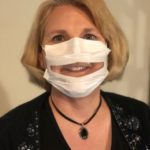
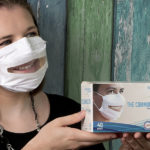
Safe’N’Clear, Inc., the maker of The Communicator™ line of clear-window face masks, introduced The Communicator™ N95 as a NIOSH-approved clear N95 mask with a clear, anti-fog communication window and a comfortable, adjustable fit. For healthcare teams that need respiratory protection without hiding the mouth, The Communicator™ N95 is a direct answer to the communication problem that standard N95s create. The Communicator™ line now spans ASTM Level 1, ASTM Level 3, and NIOSH-approved N95, and the launch overview of The Communicator™ N95 describes the settings the respirator was designed for. Facilities comparing every option can review Safe’N’Clear’s clear-window mask protection for healthcare.
Choosing Clear N95 Respirators for Your Facility
Clear N95 respirators are as effective as any N95 when they carry a verified NIOSH approval, fit the wearer, and are used inside a respiratory protection program. Verify the TC approval number, fit test staff on the model, and train every wearer to perform a seal check each time. To discuss clear respiratory protection for your team, including The Communicator™ N95, contact the Safe’N’Clear team.