A school health office runs on a small, well-chosen inventory, and a clear mask for school nurse use belongs on that list alongside bandages, thermometers, and first aid supplies. Between medication administration, minor injury care, and communicating with students who may already be scared or in pain, a school nurse spends a school day moving through exactly the kind of close, high-communication encounters where a standard opaque mask gets in the way. This guide covers what a K-12 health office should stock and why a clear window mask belongs in that inventory.
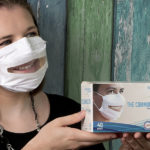
Safe’N’Clear, Inc. supplies FDA cleared clear masks through The Communicator™ Procedural Face Mask, giving school health offices a way to meet infection-control needs without losing the visible communication a nurse relies on throughout the school day.
Why School Health Offices Need PPE Planned, Not Improvised
School nurses cover an unusually wide range of care in a single day, from a scraped knee to a diabetic student checking blood sugar to a student in respiratory distress. Recommended first aid supply lists for school health offices consistently include PPE alongside bandages, gloves, and basic diagnostic tools, treating protective equipment as a planned inventory item rather than something sourced only when a specific need arises. A National Association of School Nurses resource on PPE requirements for school health professionals confirms that masks and other protective equipment are a standard, anticipated part of school nurse practice, not an exceptional item pulled out only during an outbreak.
Many school districts learned this lesson the hard way during periods of high demand, when PPE that had never been part of a standing supply order suddenly became difficult to source at any price. A health office that treats masks as a planned, budgeted line item avoids that scramble, ordering on a predictable schedule tied to the school year rather than reacting once supply runs low or a shortage hits the broader market.
Stocking a clear mask for school nurse visits alongside standard PPE means a nurse never has to choose between protecting against exposure and being able to communicate clearly with a student who is upset, in pain, or struggling to understand instructions.
What a K-12 Health Office Should Keep in Stock
A well-equipped health office typically stocks disposable gloves, bandages and wound dressings, a thermometer, blood pressure equipment, basic first aid supplies, and a documented medication administration system alongside PPE for the nurse. Masks belong in that same planned inventory, sized to the volume of daily visits a health office handles rather than purchased reactively. A single elementary school health office might see a handful of visits daily, while a larger middle or high school health office can see dozens, and stock levels should scale accordingly rather than assuming a small box will last an entire semester.
A useful planning approach is to calculate an average number of daily health office visits, multiply by the number of school days in a term, and build in a buffer for illness seasons that typically drive higher visit volume. Ordering by the case rather than by the box also reduces how often a health office manager needs to reorder mid-year, which matters for districts where purchasing goes through a slower approval process.
Clear masks specifically deserve a place in that planned stock because school health visits are communication-heavy by nature. A nurse assessing a student’s symptoms, walking a student through a medication routine, or calming a frightened child before a minor procedure depends on the student seeing a reassuring, readable face throughout the interaction.
Matching Filtration to School Health Office Encounters
Most school health office encounters, from medication administration to minor wound care to illness assessment, carry low splash and spray risk, making ASTM Level 1 an appropriate filtration level for the large majority of daily visits. A health office managing a student with an actively bleeding wound or a procedure with a higher splash risk can reasonably stock a small supply of ASTM Level 3 masks for those less common situations, but Level 1 covers the routine caseload most school nurses handle day to day.
Why Visible Communication Matters in a School Health Office
Students visiting a school nurse are often already anxious, whether from an injury, an unfamiliar symptom, or simple nervousness about being away from the classroom. A masked nurse who cannot be seen smiling or explaining calmly removes a tool that would otherwise help settle that anxiety quickly. Students who are Deaf or hard of hearing, students with speech or language delays, and younger students still building vocabulary depend even more heavily on facial expression and lip movement to understand what a nurse is telling them.
Nicole Fleming, a middle school nurse profiled by Safe’N’Clear, keeps clear window masks available in her school office specifically because standard masks created a communication barrier for both herself and the students she serves. Her approach reflects a broader pattern among school nurses who have found that a visible face changes how quickly a nervous or confused student settles into a health office visit.
Stocking Compliance and Procurement Together
A separate consideration from day-to-day stocking is how a school district documents mask use for students with an IEP or 504 plan that specifies communication accommodations. A closer look at clear mask compliance standards for K-12 and student health centers covers that regulatory side in more depth, while this guide focuses on the practical stocking decision a health office manager or school nurse makes when planning a year’s PPE budget.
Ordering for a School Health Office
Safe’N’Clear’s education page covers the full Communicator™ line available for school settings. Case orders qualify for automatic savings of 10 percent off ASTM Level 1 cases, helping a district equip every school health office in the building without straining a supply budget built for an entire academic year.
Frequently Asked Questions About Stocking Clear Masks for School Health Offices
How many clear masks should a school health office stock? Stock levels should scale to daily visit volume, with a larger middle or high school health office needing significantly more supply than a small elementary office seeing only a few visits a day.
What ASTM level is appropriate for a school nurse’s office? ASTM Level 1 covers most routine school health office encounters, including medication administration and minor wound care, while a small Level 3 supply can cover higher-risk situations like an actively bleeding injury.
Do clear masks help with communication for young or anxious students? Yes. A clear window mask keeps a nurse’s facial expression visible, which helps settle anxious, injured, or confused students faster than a standard opaque mask allows.
Equipping Every School Health Office for the Year Ahead
A school health office runs smoothly when its inventory is planned rather than improvised, and a clear mask for school nurse visits deserves the same forethought as bandages and thermometers. The Communicator™ Mask gives school health offices an FDA cleared, ADA effective option that supports both infection control and the clear communication every school nurse depends on. Visit the Safe’N’Clear purchase guide to stock your health office for the school year ahead.